Background
Defects in QFP/QFN package design cause a large number of production defects:
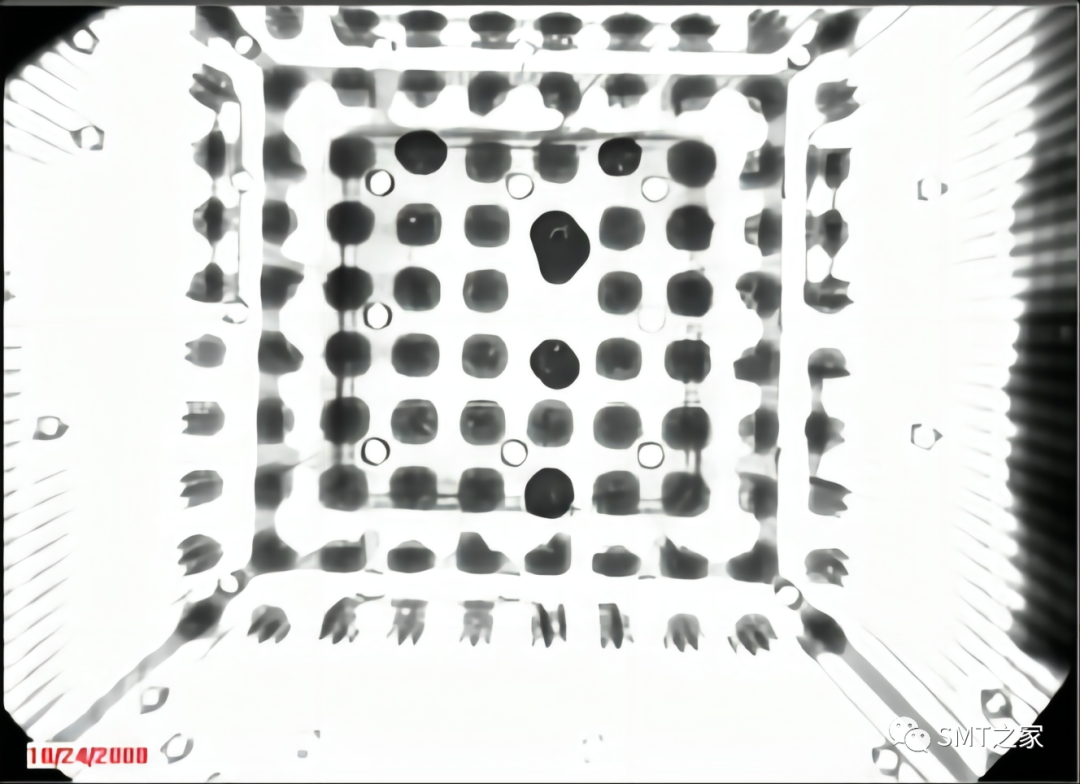
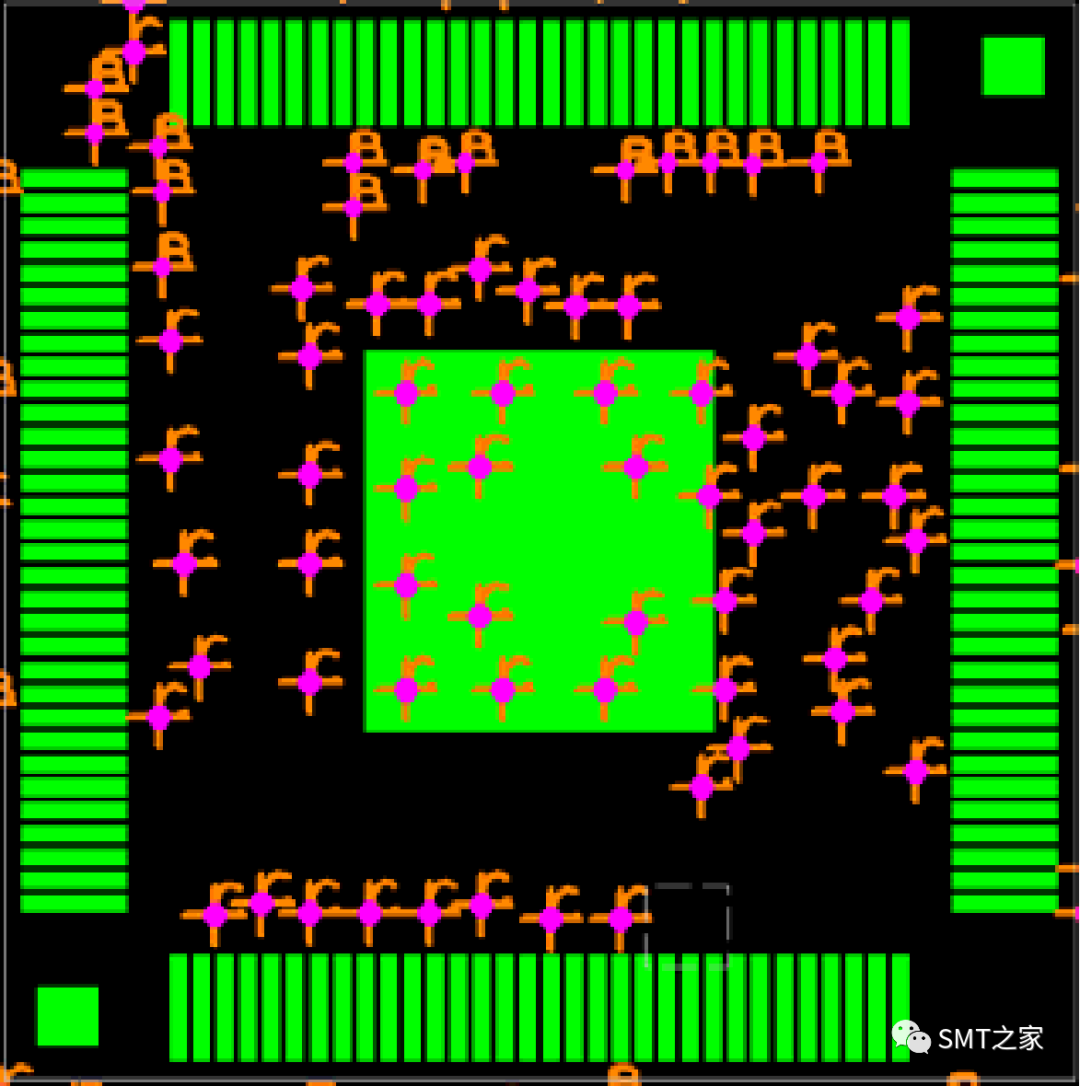
- Poor via design on the QFP thermal pad at position U8 in gaw9.2z39-4 caused solder paste to flow into the holes during the manufacturing process, resulting in a large number of process defects. The drilling size was 16mil, and no half-plugging treatment was performed on the back side!
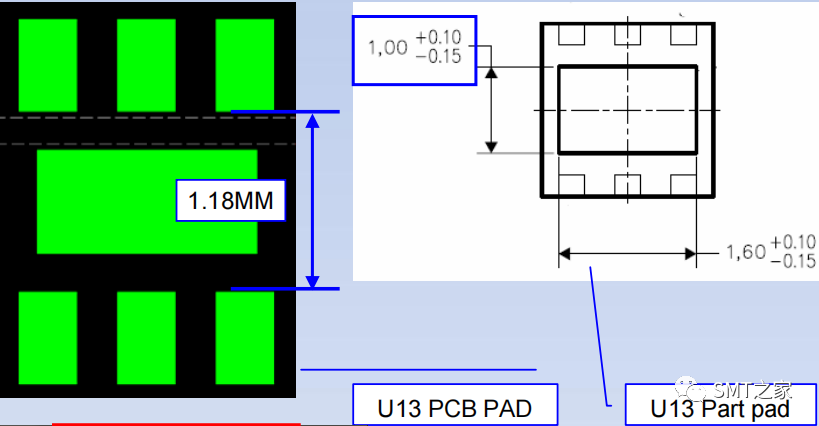
- Mismatch between the QFN pad design and the component at position U13 in PI 699E2.3U16-3DB caused a short circuit between the component thermal pad and the PCB pin pad.
- Mismatch between the QFP pad package and the PCB at position U32 in DSL699E7.5Z20-20 caused the stencil opening to be made according to the PCB, and excessive standoff between the component thermal pad and the solder feet caused open soldering.
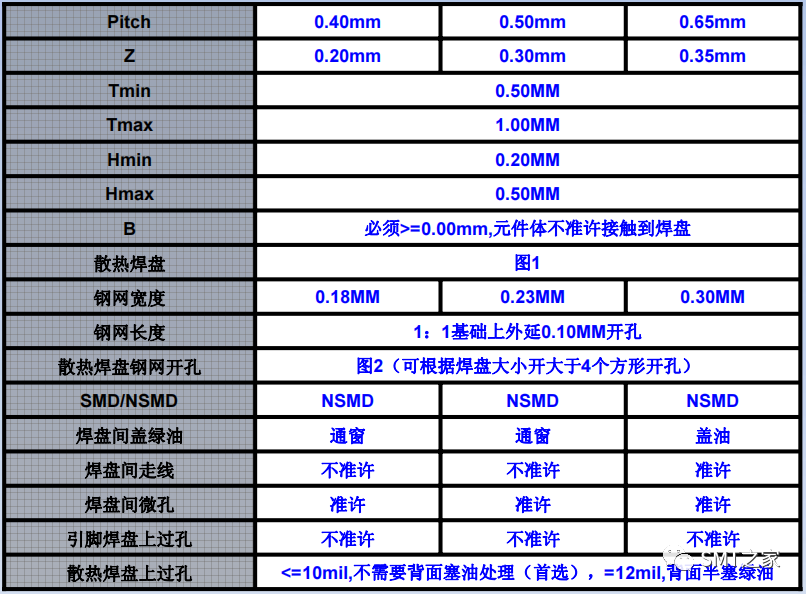
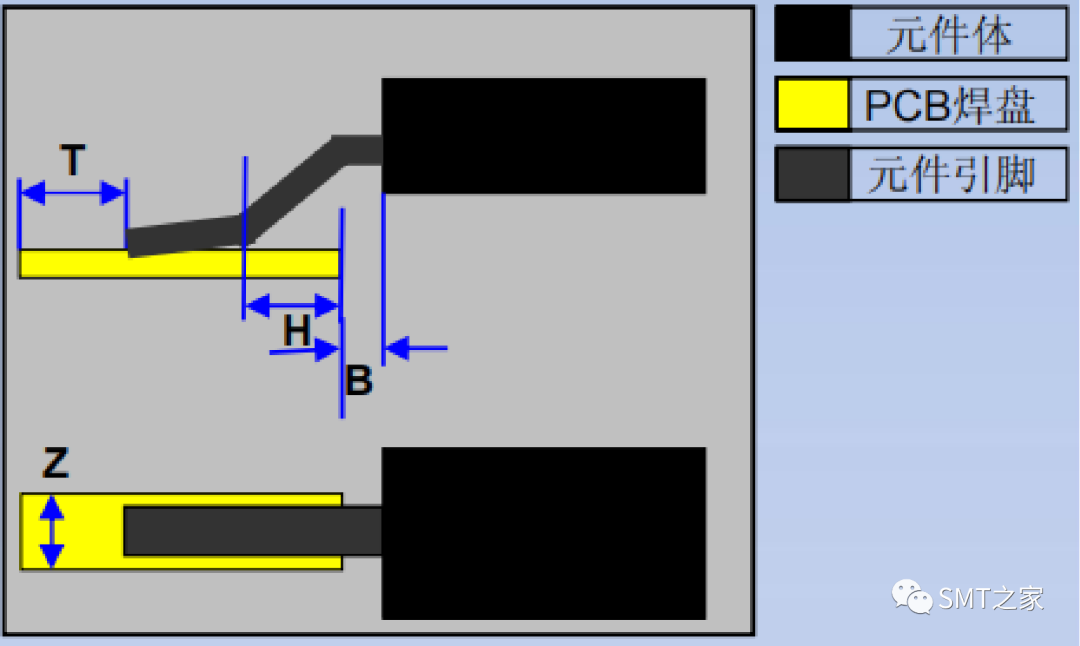
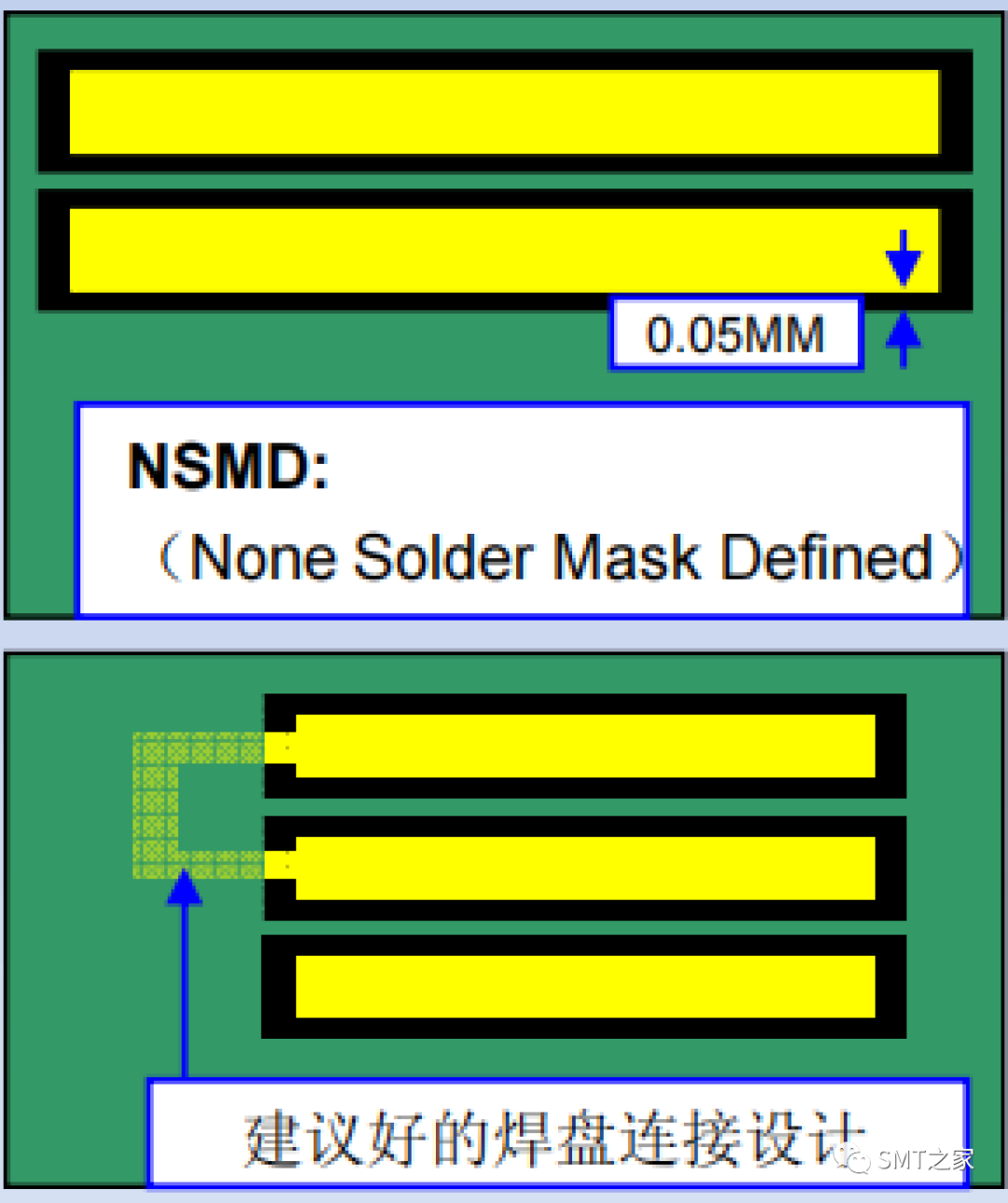
QFP Pad Design Specifications - Pins
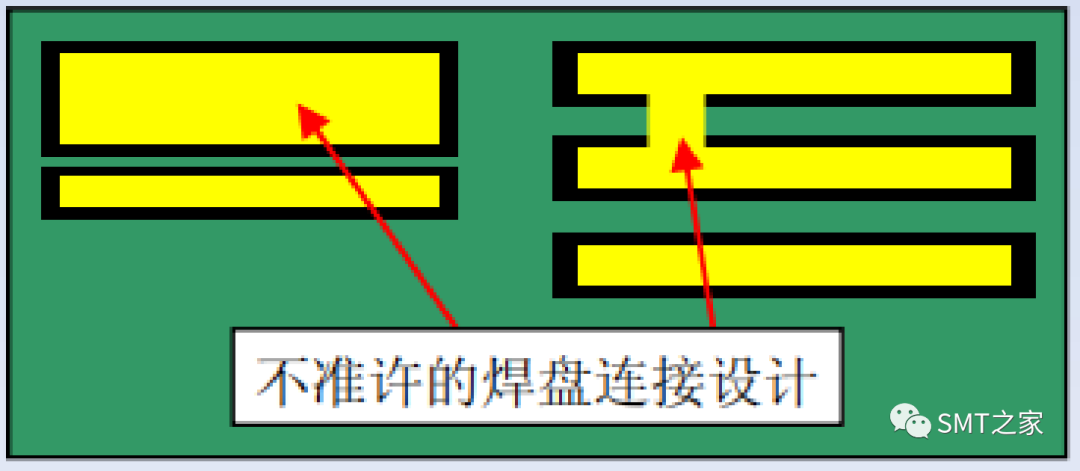
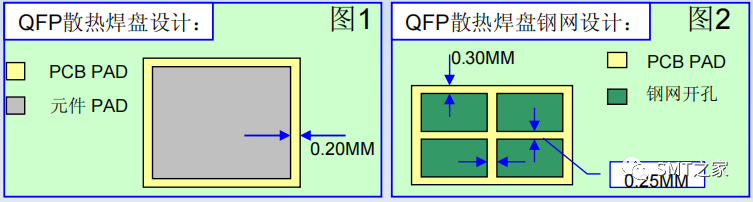
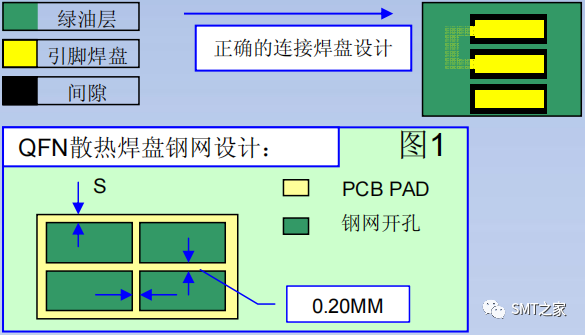 QFN
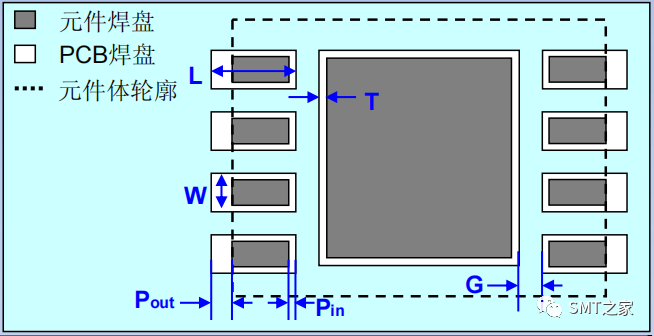
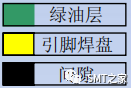
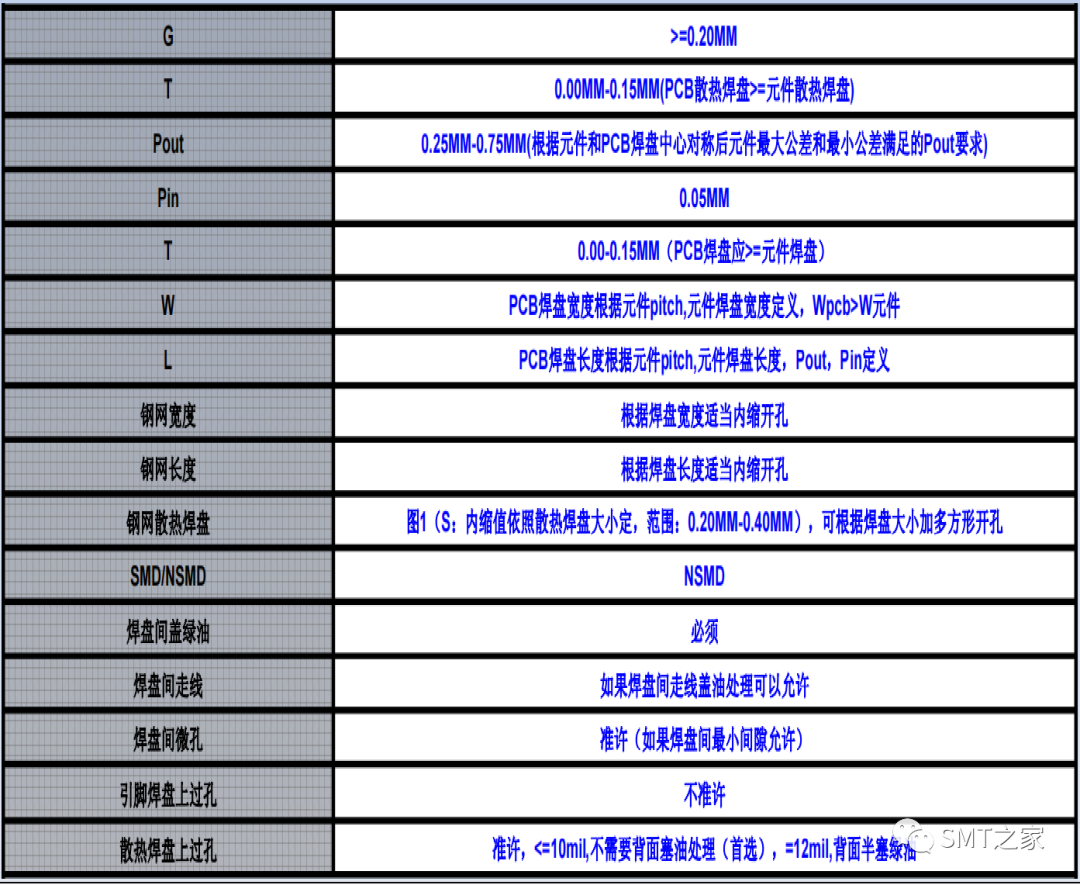 Pad Design Specifications
Other Requirements for QFN/QFP Pad Design
1. Component Local Fiducials
Optional addition, design principles are as follows:
- As close to the component as possible;
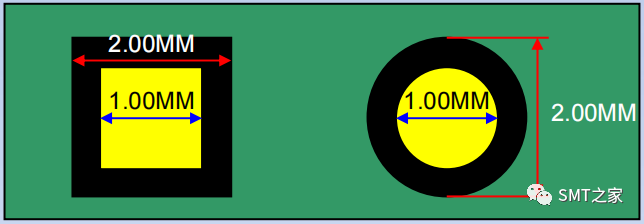
- Two fiducials should be set diagonally on the component, and the distance from the component center point to any fiducial center point shall not exceed 5cm;
- The shape is circular or square, and the size is as shown in the figure below (choose one):
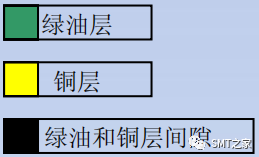
2. Polarity Silkscreen
Must be added, the shape is circular, required to be printed outside the component body near the component, the size is defined according to the actual situation, generally (0.50mm-1.00mm).
3. Coplanarity Requirements
The coplanarity requirement for QFN/QFP component pins and ground pads shall not exceed 0.10mm.
About Maxipcb
Maxipcb empowers innovators to turn cutting-edge technologies into reality.
We offer one-stop solutions for design, simulation, testing, PCB manufacturing, component procurement and SMT assembly, enabling efficient development, rapid deployment and risk control across the full product lifecycle.Serving the world in communications, industrial automation, aerospace, automotive, semiconductor and beyond, we build a safer, more connected future together.