As electronic products continue to evolve towards higher precision and miniaturisation, the environmental resilience of PCB circuit boards directly determines the service life of the equipment. Moisture, salt spray, dust, and mould corrosion are common causes of leakage, short circuits, and oxidation‑induced component failures on circuit boards. PCB conformal coating, as a commonly used protective material in electronics manufacturing, forms a thin insulating protective film on the circuit board
As electronic products continue to evolve towards higher precision and miniaturisation, the environmental resilience of PCB circuit boards directly determines the service life of the equipment. Moisture, salt spray, dust, and mould corrosion are common causes of leakage, short circuits, and oxidation‑induced component failures on circuit boards. PCB conformal coating, as a commonly used protective material in electronics manufacturing, forms a thin insulating protective film on the circuit board surface, leveraging its core properties of moisture resistance, mould resistance, and corrosion resistance. This coating does not interfere with normal circuit operation and effectively isolates the board from harsh environmental conditions. It is widely applicable to industrial control equipment, automotive electronics, smart home appliances, and various other products, significantly enhancing operational stability and durability.
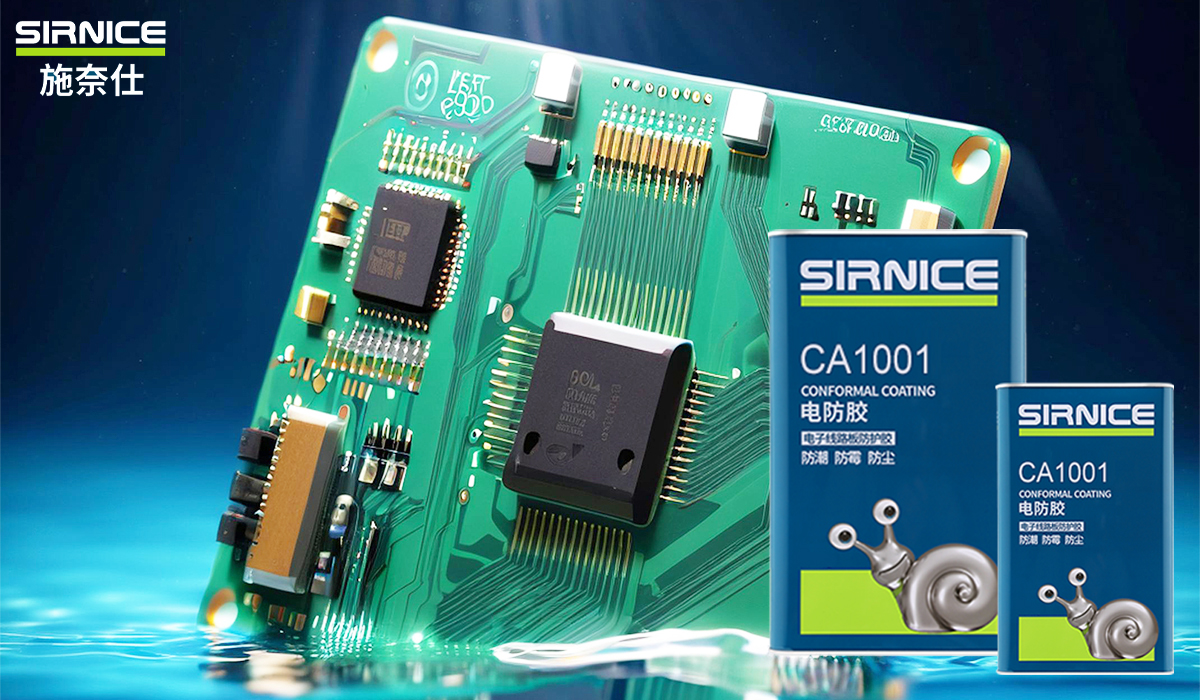
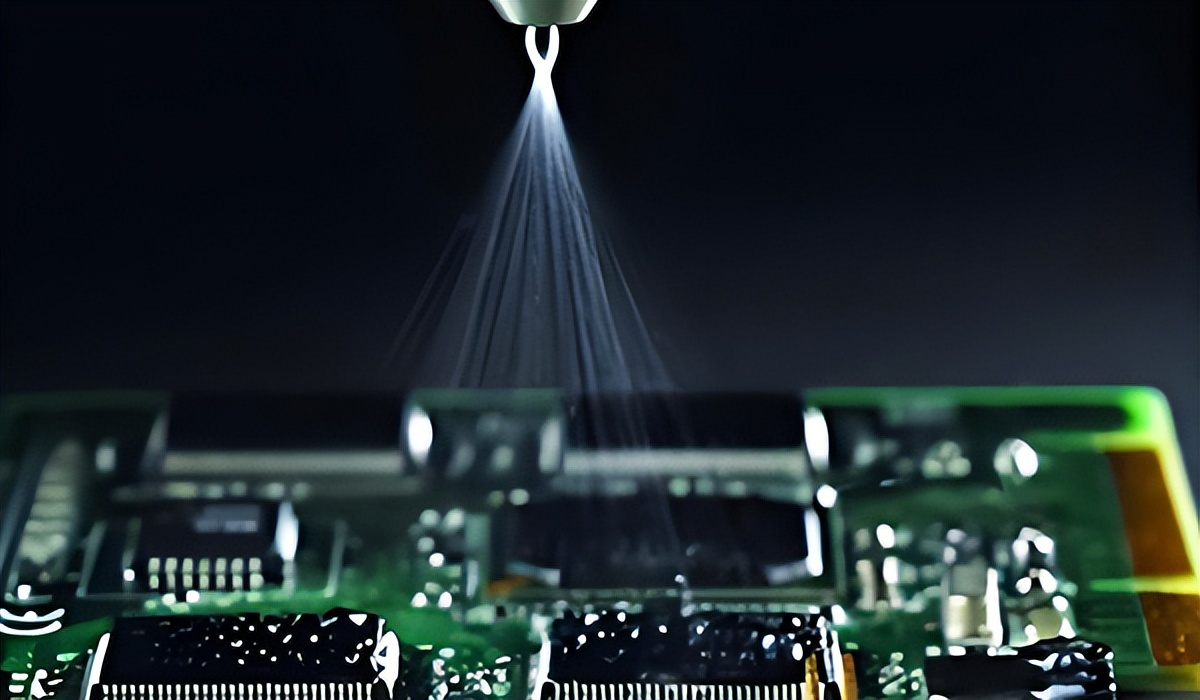
The protective effectiveness of conformal coating relies entirely on standardised application processes; most protection failures are caused by improper operation. Prior to application, surface preparation is essential: thoroughly remove flux residues, oil contamination, and dust from the board surface to ensure it is clean and dry. At the same time, areas that must remain uncoated – such as USB ports, key contacts, and plug‑in terminals – should be properly masked to avoid affecting device functionality. The application environment must be well‑ventilated, clean, and maintained at appropriate temperature and humidity levels; operations in humid or dusty conditions must be avoided. The three mainstream application methods – spraying, brushing, and dip coating – can be flexibly selected based on the board's complexity. The coating must be applied uniformly with complete coverage, free from missed areas, accumulation, bubbles, or runs. Finally, curing should be carried out at room temperature, elevated temperature, or with UV exposure according to the coating manufacturer's specifications, and subsequent processes should only proceed after the coating is fully dried.
Different types of conformal coatings offer distinct performance characteristics; selecting the appropriate type based on specific requirements allows for a balance between protection effectiveness and production cost. Acrylic conformal coatings are easy to apply, convenient for rework, and cost‑effective, making them a common choice for consumer indoor electronics where basic protection is sufficient. Polyurethane conformal coatings excel in salt‑spray resistance, corrosion resistance, and outdoor weatherability, making them suitable for communication base stations, outdoor instrumentation, and other exposed equipment. Silicone conformal coatings offer high‑temperature resistance and excellent flexibility, adapting to demanding conditions with alternating high and low temperatures; they are widely used in automotive and high‑temperature industrial control applications. UV‑curable conformal coatings provide high curing efficiency, are environmentally friendly with no residue, and are well‑suited for automated high‑volume production lines, making them a common choice in medium‑to‑high‑end precision electronics manufacturing.
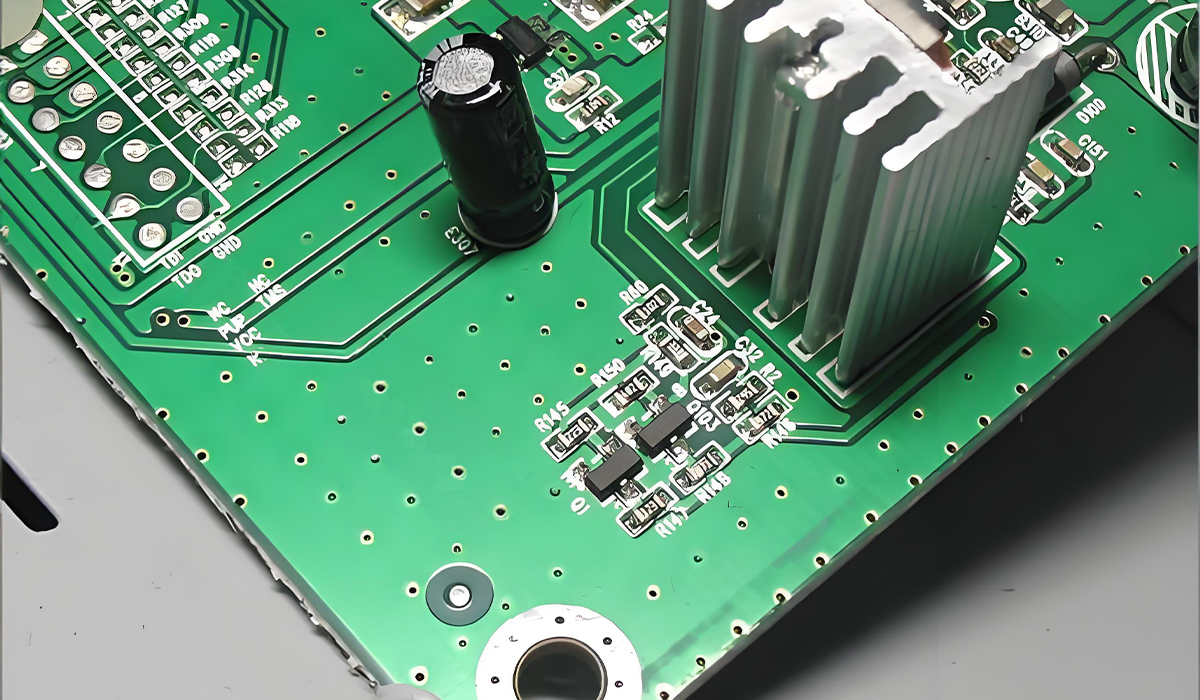
A complete conformal coating process system encompasses the entire workflow of application, quality inspection, and post‑maintenance. After coating, routine inspections such as visual examination, adhesion testing, and insulation performance testing should be conducted to identify issues such as insufficient film thickness, missed areas, or peeling, ensuring compliance with industry standards. After prolonged use, if the coating shows signs of ageing or damage, the old layer can be removed with specialised strippers; after cleaning and drying, the board can be recoated and cured to rapidly restore protective performance. In the precision electronics manufacturing industry, standardised application, scientific material selection, and thorough quality inspection can maximise the protective value of conformal coating, effectively reduce equipment rework rates, and provide reliable assurance for the stable operation of various electronic devices.
About Maxipcb
Maxipcb empowers innovators to turn cutting-edge technologies into reality.We offer one-stop solutions for design, simulation, testing, PCB manufacturing, component procurement and SMT assembly, enabling efficient development, rapid deployment and risk control across the full product lifecycle.
Serving the world in communications, industrial automation, aerospace, automotive, semiconductor and beyond, we build a safer, more connected future together.
